The Pros and Cons of the Oculus Rift S VR Headset
The Oculus Rift S
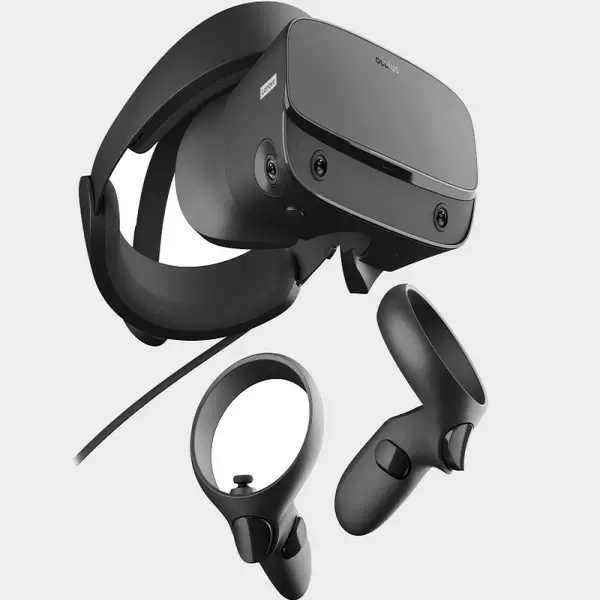
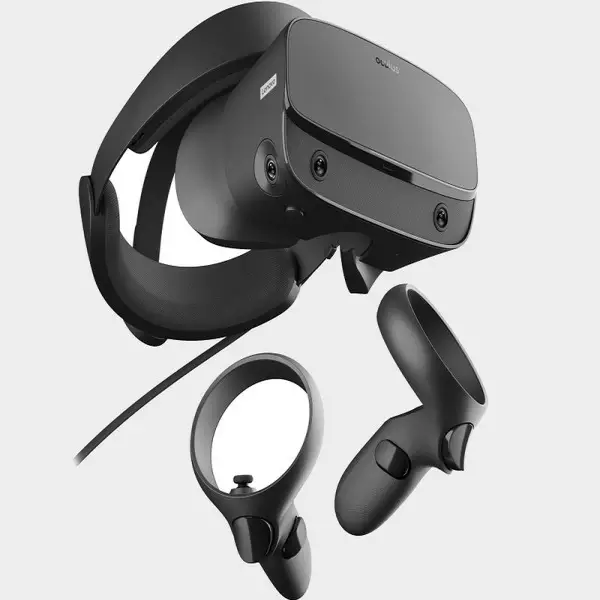
The Oculus Rift S is a virtual reality headset developed by Oculus VR, a division of Facebook Inc. It was released in 2019 as a successor to the original Oculus Rift headset, with the primary aim of improving upon the original model in several key areas.
One of the biggest pros of the Oculus Rift S is its improved resolution and field of view. The headset features a 2560 x 1440 resolution display, which is a significant improvement over the original Oculus Rift's 2160 x 1200 resolution.
This higher resolution helps to create a more immersive and realistic VR experience, as it allows for more detailed and clearer visuals. Additionally, the Oculus Rift S has a wider field of view of about 115 degrees, which is a noticeable increase from the original Oculus Rift's 110 degrees.
The Oculus Rift S VR Headset
Pros:
- Improved resolution and field of view
- Comfortable and lightweight design
- Built-in audio for enhanced immersion
Cons:
- Reliance on a powerful computer to run
- Limited tracking capabilities
The Oculus Rift S is a virtual reality headset that offers a lot of great features for an immersive VR experience. With its high-quality display and comfortable design, it's a top choice for VR enthusiasts.
However, it does have some limitations, such as its reliance on a computer and limited tracking capabilities. Overall, it's a solid headset that is worth considering for anyone interested in virtual reality.
Another pro of the Oculus Rift S is its comfortable and lightweight design. The headset is designed to be worn for long periods of time, and it features a halo-style headband that evenly distributes the weight of the headset across the top of your head.
This design helps to reduce pressure on the face and ears, making it more comfortable to wear for extended periods. The headset also features built-in audio, which helps to further enhance the immersion of the VR experience.
| Feature | Pros | Cons |
|---|---|---|
| Resolution and field of view | 2560 x 1440 resolution and 115 degree field of view | |
| Design | Comfortable and lightweight halo-style headband with built-in audio | |
| Computer requirements | Requires a high-end computer to run | |
| Tracking capabilities | Limited tracking compared to other VR headsets |
One of the cons of the Oculus Rift S is its reliance on a computer to run. Unlike some other VR headsets, such as the Oculus Quest, the Oculus Rift S requires a powerful computer to run VR games and experiences.
This means that users will need to have a relatively high-end computer in order to use the Oculus Rift S to its full potential. This can be a drawback for some users, as it can be expensive to purchase a high-end computer specifically for VR.
Another con of the Oculus Rift S is its limited tracking capabilities. While the headset does feature inside-out tracking, which allows it to track your movement within a certain range, it is not as advanced as some other VR headsets.
This can be a problem for users who want to experience more physically active VR games or experiences, as the headset may not be able to accurately track their movement.
Overall, the Oculus Rift S is a solid VR headset that offers a number of improvements over the original Oculus Rift. Its higher resolution and wider field of view make for a more immersive VR experience, and its comfortable design makes it easy to wear for long periods of time. However, its reliance on a computer and limited tracking capabilities may be drawbacks for some users.
ERROR Rendering Code Block
The Pros and Cons of the Oculus Rift S VR Headset
January 15, 2023